A short guide to three stories from this month, explained simply Three stories about GLP-1 medicines got a lot of attention this month. We wrote a full article on each one. This guide gives you the main points in plain language. Each section links to the full article if you want more detail. 1. GLP-1
This Week in Obesity Medicine A Phase 2 trial of petrelintide, a once-weekly amylin drug, showed up to about 10% weight loss at 42 weeks with modest nausea (about 20% vs 6% on placebo). It is not approved, has not been compared directly with GLP-1 drugs, and is in Phase 3. Novo Nordisk’s first real-world
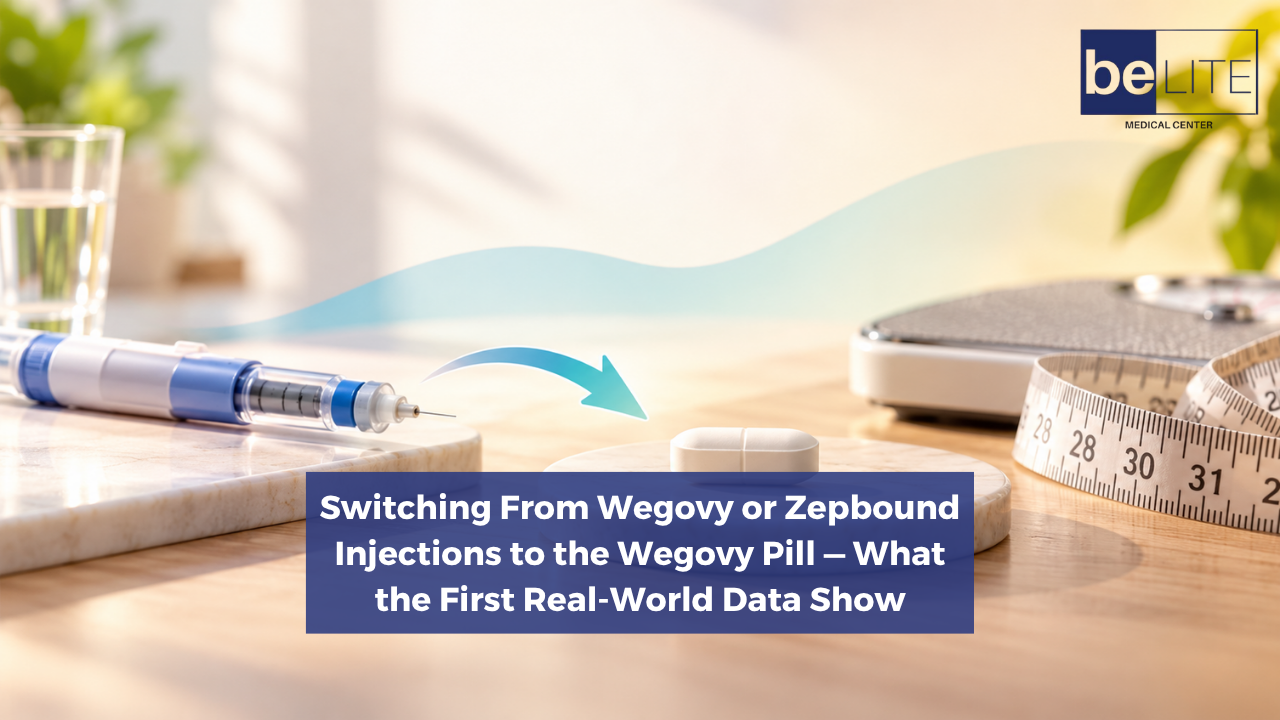
Bottom Line Novo Nordisk reported at the 2026 European Association for the Study of Diabetes meeting that 194 people who switched from weekly injections to the Wegovy pill lost an average of an additional 4.1% of body weight over three months. That is a useful signal that many people do not regain on the pill,
The short answer: Most people notice less hunger within the first few weeks, but the scale moves slowly at first because the starting dose is only a first step. In the largest Zepbound (tirzepatide) trial, average weight loss reached roughly 15% to 22% of body weight at 72 weeks, depending on the dose, and it
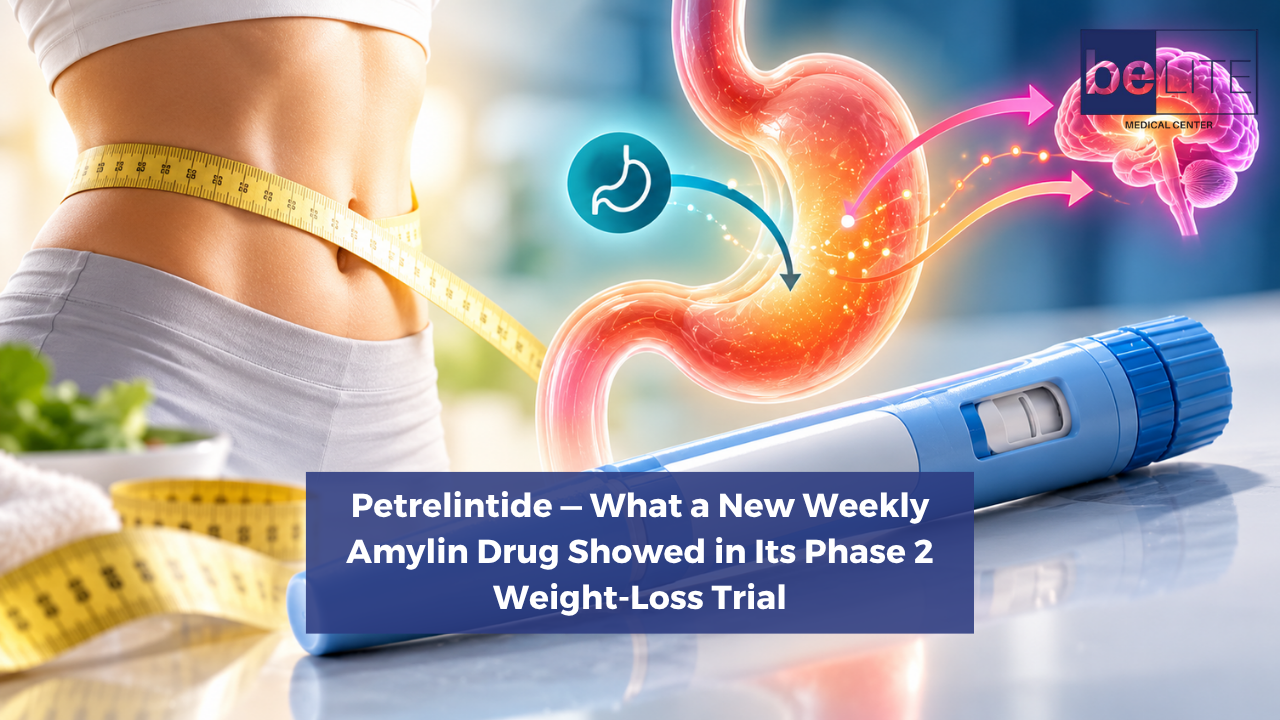
Bottom Line In a 42-week, placebo-controlled Phase 2 trial of 485 adults, a once-weekly injection called petrelintide produced average weight loss of up to about 10% (up to 10.2% when everyone assigned to the drug is counted, up to 10.7% in people while they stayed on it), versus about 1.4% to 1.7% with placebo. It
A new weekly amylin drug shows about 10% weight loss in Phase 2 Petrelintide, a once-weekly amylin-based injection (a different hormone pathway from GLP-1), was tested in 485 adults for 42 weeks. Average weight loss was up to 10.2% when everyone assigned to the drug is counted (up to 10.7% in people while taking it),